
As temperatures begin to drop in Gilbert, many homeowners start relying more heavily on their heating systems. It’s the time of year when furnaces and heat pumps get switched back on, sometimes after sitting unused for months. But something that’s often overlooked during this seasonal change is the risk of carbon monoxide inside the home. This invisible gas can quietly build up due to problems within the heating system, and often, it goes undetected until it’s too late.
Many people believe carbon monoxide leaks are only a concern in older homes or extreme winters. That’s not the case. In Gilbert, homes of all ages and sizes can face this risk, especially when maintenance is skipped or repairs are delayed. Whether your heater uses natural gas or another fuel, issues like cracked heat exchangers or blocked vents can allow this dangerous gas to slip into your home without setting off any obvious red flags.
Understanding Carbon Monoxide
Carbon monoxide, or CO, is a gas that has no color, smell, or taste. It forms when fuel burns without enough oxygen. In homes, it’s usually released through heating systems, water heaters, or fireplaces that aren’t working correctly. Since it’s impossible to detect without proper equipment, carbon monoxide is often called a silent hazard.
Faulty or aging heating systems are a common source of carbon monoxide. This includes forced-air furnaces, boilers, and even some heat pumps that use backup fuel sources. If a flue gets blocked or a device doesn’t vent properly, gases that should go outside instead stay inside the home. Cracked heat exchangers or poor combustion can also lead to unburned fuel releasing harmful gases directly into the air.
As families in Gilbert prepare for cooler weather, firing up the furnace without a full inspection can bring risk. A unit that ran fine last season might have developed internal damage over the summer. Sometimes, internal parts get worn down or ventilation systems become restricted without being noticed.
Even something as simple as a disconnected exhaust pipe or a dirty burner can disrupt normal airflow. These issues can trap harmful gases in the home, allowing carbon monoxide to build up indoors. Since there’s no scent or sign until symptoms appear, relying on a working detector and a safe system is the only way to catch it early.
Signs Of Carbon Monoxide Leaks
Since carbon monoxide isn’t visible or noticeable just by smell, the best way to catch a leak is by watching for warning signs in both your body and your home.
Common symptoms in people can include:
1. Persistent headaches appearing only when the heat is in use
2. Dizziness or confusion in multiple household members
3. Nausea that improves when you spend time outside the home
4. Unexplained fatigue or feelings of weakness
In homes, other indicators may point to a potential problem:
1. Yellow instead of blue flame in gas-burning appliances
2. Soot or black marks around heater vents
3. Excessive moisture on windows, likely from blocked exhaust
4. Pilot lights that frequently blow out or fail to stay lit
It’s easy to brush off these early warnings. For example, a family in Gilbert started to notice daily headaches last fall. They figured it was just from the change in seasons. But after a local technician inspected their system, they found a cracked heat exchanger leaking carbon monoxide steadily into the home. Delaying service could have led to a very different outcome.
These signs can feel small or disconnected, but together, they point to a system that may be putting your health at risk. Instead of guessing or ignoring persistent signs, it’s important to bring in professionals to inspect the system and make sure everything is functioning safely.
The Importance Of Professional Inspections
Relying on your heating system without knowing its exact condition can be risky, especially when carbon monoxide is a possibility. That’s where regular inspections come in. Heating systems can develop problems quietly over time, even if they seem to be working fine on the surface. A unit that turns on and produces heat might still be releasing harmful gases without any noticeable signs to the homeowner.
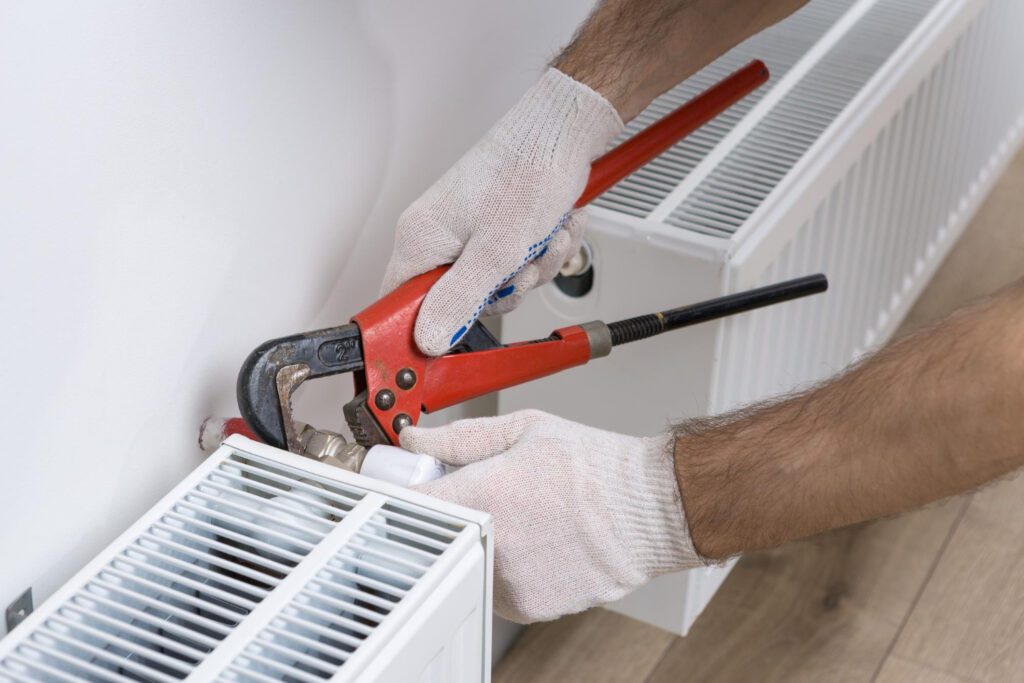
Regular inspections help catch faults early and reduce the chance of carbon monoxide leaks. Professionals check for damage to heat exchangers, proper airflow, flue obstructions, and make sure combustion is running as it should. They also test for buildup inside vents and clean parts that may no longer be working at full efficiency. All of these steps add up to better safety and system performance. For homes in Gilbert, where systems often sit unused during the hottest months, catching early wear or broken components is especially important before cooler weather sets in.
Systems that seemed fine during a quick startup may have minor cracks or internal corrosion not visible without a full inspection. These small issues can easily lead to dangerous conditions if left unchecked. Routine service also ensures CO detectors are installed in the correct areas and are working properly. With a short visit, technicians can provide peace of mind for an entire heating season.
Steps To Ensure Heating System Safety
Taking a few preventive steps throughout the year can make a big difference in your family’s safety and comfort. Here are five ways to stay ahead of potential carbon monoxide problems:
1. Schedule yearly inspections before the cold season begins. Systems should be evaluated thoroughly, especially after sitting unused for several months.
2. Make sure your CO detectors have fresh batteries and are located near bedrooms and in hallways outside sleeping areas.
3. Have your air vents and exhaust systems checked for blockages, damage, or signs of wear that could limit airflow.
4. Pay attention to performance changes. New noises, delayed startups, or uneven heating could point to a brewing problem.
5. Avoid skipping maintenance, even if your unit seems to be running well. Waiting can allow small issues to grow unnoticed.
These small actions work together to keep your system safer and reduce the risk of pollutants leaking inside. It’s much easier and more affordable to catch problems early than fix them after damage has already happened.
Keeping Your Gilbert Home Safe This Fall
As cooler weather moves into Gilbert, taking the time to make sure your heating system is working safely isn’t something to put off. Every home with a fuel-burning appliance has some level of risk, but that risk can be managed with yearly inspections and attentive care. Even a perfectly running system last season can fall victim to wear or small faults that develop while it sits idle during warmer months.
Staying alert to warning signs, using working detectors, and bringing in professionals for a full inspection are simple but important steps. These actions protect your health and help your heater serve your home reliably through the fall and into winter. When heating safety becomes a habit, so does peace of mind. For families in Gilbert, that means healthier homes and fewer surprises when the temperatures drop.
When it comes to keeping your home safe and your heating system operating at its best, relying on experienced professionals can make all the difference. Choosing a trusted heating service in Gilberthelps catch small issues before they escalate into costly problems, and Agape Air Heating & Cooling is here to support you every step of the way. For a quick estimate or to book a service visit, please contact us today.