

Energy-Smart HVAC Upgrades for Your Home — Save Money and Stay Comfortable in Gilbert, AZ
Making your HVAC system more energy efficient is one of the fastest ways to lower utility bills and make your home more comfortable. This guide walks through the top upgrades that cut energy use and improve indoor air quality. Homeowners in Gilbert, AZ are seeing higher energy costs and want practical solutions that save money and support a healthier home. Read on for clear, local advice on why efficiency matters, the best high-efficiency systems, modern heat pump options, smart thermostats, duct sealing, zoning, indoor air quality improvements, and financing available in Gilbert, AZ.
Why Energy Efficiency Matters — For Your Home and Your Wallet
Energy efficiency affects more than monthly bills — it impacts comfort, equipment life, and your home’s value. Upgrading to energy-efficient HVAC equipment reduces energy use and often extends system lifespan, which means fewer replacements and fewer repairs over time. Those savings add up and make your home more attractive to buyers.
Beyond direct savings, efficiency improvements make your home easier to manage. Systems that reach set temperatures faster and maintain them consistently mean fewer temperature swings and less wear on components. That steady operation also reduces the frequency of emergency service calls and keeps maintenance predictable.
In a place like Gilbert, where cooling demand can dominate part of the year, efficiency helps you avoid disproportionate spikes in summer energy use. Efficient systems use less electricity during peak times, which can lower demand charges or reduce the impact of time-of-use pricing if your utility uses it. The result is a smoother monthly bill and more predictable operating costs.
How Do Energy-Efficient HVAC Upgrades Lower Utility Bills?
Upgraded systems use technology that gets the same comfort with less energy. High-efficiency air conditioners and furnaces run smarter and longer between cycles, which trims your electric and gas bills. Many homeowners see savings in the range of 20–30% when they replace older equipment with high-efficiency models — real money back in your wallet over time.
Efficiency gains come from several improvements: better heat exchange components, variable-speed motors, improved controls, and more precise refrigerant management. Those technical advances reduce run time and electricity draw, but they also improve temperature stability so homeowners experience fewer short cycles and less on/off stress on the equipment.
Practical homeowner steps that complement new equipment include proper thermostat programming, sealing and insulating the building envelope, and routine maintenance. Together these measures compound savings and make the most of any new high-efficiency unit.
What Environmental Benefits Come from Upgrading Your HVAC System?
Using less energy means fewer emissions from power plants, so efficient HVAC equipment helps shrink your household’s carbon footprint. Many modern systems are also built with greener materials and refrigerants, so upgrading is a way to support a healthier planet while improving your home’s performance.
Efficient systems also reduce peak demand on the electrical grid, which can indirectly lower the use of less-efficient peaker plants. Over time, community-wide efficiency improvements can help utilities manage supply and reduce the need for additional generation capacity.
What Are the Best High-Efficiency HVAC Systems for Your Home?
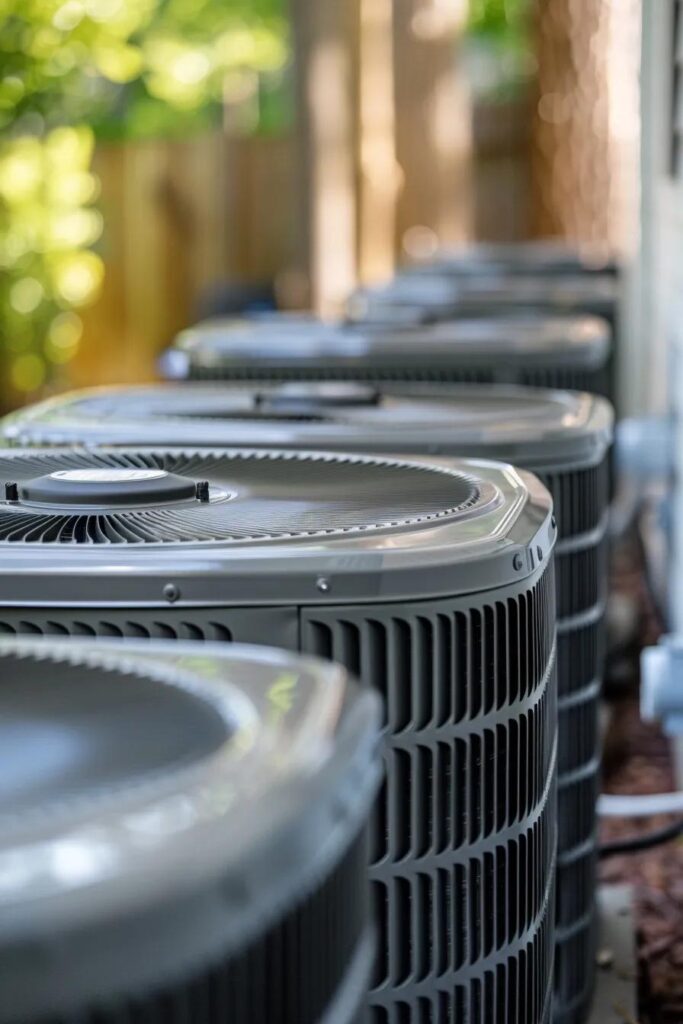
Several system types consistently deliver strong efficiency and reliable comfort. Choosing the right one depends on your home, budget, and long-term goals.
- Central Air Conditioners: Aim for models with a SEER rating of 16 or higher to maximize seasonal savings.
- Furnaces: Furnaces with an AFUE rating of 90% or above can noticeably reduce heating costs.
- Heat Pumps: Ductless mini-splits and geothermal heat pumps offer flexible heating and cooling with excellent efficiency — especially in the right homes.
When selecting equipment, think about whole-home performance rather than only component ratings. A high-SEER air conditioner will perform best when installed with properly sized ductwork, good insulation, and a matched indoor coil. Similarly, a high-AFUE furnace realizes the most savings when installed correctly and combined with efficient distribution.
Before buying, request a professional load calculation (commonly known in the industry as a Manual J). That calculation accounts for your home’s size, orientation, insulation, windows, and occupancy to recommend the correctly sized system. Oversized or undersized equipment can negate efficiency gains regardless of the rated performance.
How Do SEER, AFUE, and HSPF Ratings Affect HVAC Performance?
These industry ratings measure how efficiently equipment turns fuel or electricity into heating and cooling. Higher numbers mean better efficiency and lower operating costs. For example, a central air unit with a SEER of 20 will use far less energy than an older model rated around 13, which can mean major savings over the life of the system.
SEER (Seasonal Energy Efficiency Ratio) compares cooling output to energy input over a typical cooling season. AFUE (Annual Fuel Utilization Efficiency) measures how well a furnace converts fuel to heat. HSPF (Heating Seasonal Performance Factor) applies to heat pumps and measures heat output compared to electricity used. Understanding the differences helps you select the right technology for your climate and energy goals.
Why Choose ENERGY STAR Certified Air Conditioners and Furnaces?
ENERGY STAR equipment meets strict federal efficiency standards, so you get reliable savings and often qualify for rebates or incentives. Choosing certified units is a smart financial step — you spend less to run them and may be eligible for discounts or tax benefits.
ENERGY STAR designation also indicates that a manufacturer has met verified performance criteria, making it easier to compare models. When paired with professional installation and proper system sizing, ENERGY STAR products deliver measurable savings and often a smoother ownership experience.
How Can Advanced Heat Pump Technology Improve Your Home’s Energy Efficiency?
Advanced heat pump systems have changed the game for many homeowners by providing efficient heating and cooling from one system. They’re especially attractive where you want year-round efficiency and simpler equipment footprints.
Modern heat pumps often include inverter-driven compressors and multi-stage operation, which let them modulate output to match demand more closely. That reduces cycling losses and improves comfort while lowering energy use compared with single-speed systems.
What Are the Differences Between Air-Source, Geothermal, and Ductless Mini-Split Heat Pumps?
Air-source heat pumps pull heat from outside air and are widely used for moderate climates. Geothermal systems tap stable ground temperatures and usually deliver the highest efficiency but come with a larger upfront cost. Ductless mini-splits let you control temperatures room-by-room, which is great for additions, garages, or homes without ducts.
Each type has trade-offs: air-source units are typically less expensive to install and work well in many climates; geothermal systems require excavation and a larger up-front investment but offer very consistent efficiency; ductless systems avoid duct losses and offer flexible zoning. Consider your home’s layout, long-term plans, and budget when choosing a heat pump solution.
How Does Heat Pump Installation Cost Compare to Traditional Systems?
Heat pumps can cost more to install up front than some traditional systems, but lower operating costs often offset that over time. Many homeowners see a return on investment within 3 to 7 years depending on usage, fuel prices, and local incentives.
When evaluating cost, include installation quality, controls, and any necessary ductwork or electrical upgrades. A lower initial price can become more expensive if the system is improperly sized or installed without attention to airflow and refrigerant charge. Always request a written proposal that itemizes equipment, labor, warranties, and expected performance.
How Do Smart Thermostats Contribute to Energy Savings?
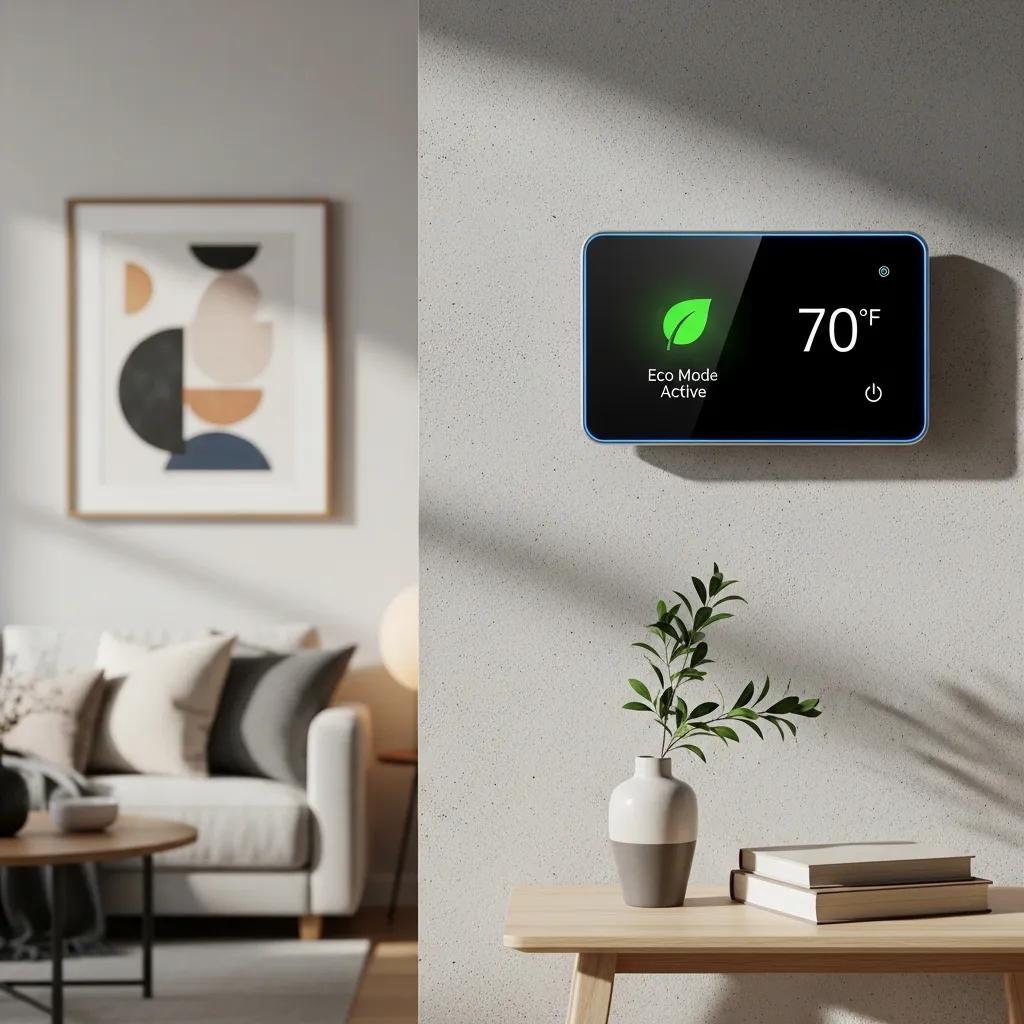
Smart thermostats make it easy to run your HVAC system only when you need it. They learn patterns, let you control temperatures from your phone, and show energy reports so you can make small changes that add up to real savings.
Connectivity also makes it easier to combine smart thermostats with other home automation tools. For example, geofencing can automatically adjust settings when the house is empty, and integration with occupancy sensors can reduce conditioning in seldom-used spaces. These features help shift energy use away from peak times and maintain comfort only where it’s needed.
What Features Should You Look for in a Smart Thermostat?
Look for remote access, learning or scheduling features, energy usage reporting, and compatibility with your HVAC system. Those capabilities give you control and visibility, which is how most homeowners save 10–15% on heating and cooling costs.
- Remote control via smartphone so you can make adjustments when plans change.
- Adaptive schedules that learn routines and reduce manual programming.
- Compatibility with multi-stage systems and heat pumps to ensure correct operation.
- Energy reports and alerts that highlight opportunities for further savings.
Installation is usually straightforward, but older homes may need a common (C) wire or a compatible power accessory to ensure reliable operation. A professional installer can confirm compatibility and set the thermostat up for optimal performance.
How Much Can You Save Annually with Smart Thermostats?
Typical savings run about 10–15% on heating and cooling bills — roughly $125 to $180 a year for many homes, depending on your energy rates and how you use the system.
Actual savings depend on your prior behavior, climate, and how well the thermostat is configured. Homes that previously left systems running constantly generally see larger savings, while already-optimized homes may see smaller incremental benefits.
Why Is Duct Sealing Essential for HVAC Efficiency?
Leaky ducts waste conditioned air and make your system work harder. Sealing ducts is a relatively low-cost fix that can deliver immediate comfort and efficiency improvements throughout the house.
In many homes, significant portions of conditioned air can be lost through gaps, joints, and poorly connected sections of ductwork. Those losses force the equipment to run longer and reduce the effective capacity that reaches living spaces.
How Does Duct Sealing Reduce Energy Loss and Improve Indoor Air Quality?
Sealed ducts keep conditioned air flowing where it should, cutting energy waste and reducing how much dust and allergens move through your vents. That means lower bills, fewer hot or cold spots, and cleaner air for your family.
Common sealing methods include mastic sealant, foil-backed tape, and aerosol-based sealing that targets leaks from the inside. The best approach depends on the condition and accessibility of the ductwork. An inspection will reveal where insulation, support, or sealing are needed most.
Studies also highlight how keeping ducts clean and well-maintained supports overall indoor air quality.
HVAC Duct Cleaning for Improved Indoor Air Quality
Indoor air quality is a growing concern — on average people spend around 22 hours a day indoors. This study evaluated three commercial HVAC duct-cleaning methods to see how effectively they reduced airborne particulate matter and viable bioaerosols.
Effectiveness of HVAC duct cleaning procedures in improving indoor air quality, I Ahmad, 2001
What Are the Signs Your Home Needs Duct Sealing?
Watch for uneven room temperatures, unexplained spikes in energy bills, or visible dust around vents. Those are common signals that your ducts should be inspected and potentially sealed.
Other indicators include a persistent musty smell when the system runs, dryer-than-expected airflow at registers, or the presence of rodents or pests in the crawlspace or attic where ducts run. Any of these signs justify a professional duct inspection followed by targeted sealing and repair.
After sealing, a follow-up test such as a duct leakage test can quantify improvements and provide measurable confirmation of reduced losses. That data can be useful when applying for rebates or documenting efficiency upgrades for a future buyer.
What Are the Benefits of HVAC Zoning Systems for Personalized Comfort?
Zoning systems give you control over temperatures in different parts of the house so you only heat or cool the rooms you’re using. That improves comfort and cuts energy waste.
Zoning is especially effective in homes with large open areas, multiple floors, or rooms that see inconsistent occupancy. By dividing the home into zones and controlling dampers, a single HVAC system can serve multiple temperature needs without running extra equipment.
How Do HVAC Zoning Systems Work to Reduce Energy Waste?
Zoning uses dampers in the ductwork to send air only where it’s needed. By matching airflow to actual demand, you avoid conditioning empty rooms and lower overall energy use.
Smart zoning integrates with thermostats to prioritize occupied areas and adapt quickly to changing conditions. This targeted conditioning reduces the runtime of the central equipment and can increase occupant comfort by eliminating over-conditioning in low-use spaces.
Which Homes Benefit Most from HVAC Zoning Solutions?
Homes with multiple levels, additions, or rooms that stay empty much of the day get the biggest payoff from zoning. It keeps everyone comfortable while using less energy.
Additionally, homes with different occupancy patterns (for example, home offices, guest rooms, or media rooms) can use zoning to allocate conditioning where it’s most valuable. Zoning can also be staged — start with two or three zones in the first installation and expand later if needed.
How Can Indoor Air Quality Enhancements Support Energy Efficiency?
Improved indoor air quality complements efficient HVAC equipment. When air is cleaner, systems run more smoothly and don’t work as hard to maintain set temperatures.
Air quality upgrades help control particulates, odors, and biological contaminants while maintaining balanced ventilation. Properly chosen IAQ components reduce strain on the HVAC system and can extend filter change intervals when paired with high-quality filtration and routine inspections.
What Indoor Air Quality Solutions Complement Energy-Efficient HVAC Systems?
High-efficiency air filters, UV lights, and controlled ventilation all help remove pollutants and keep airflow steady. Combined with a well-maintained HVAC system, these solutions improve comfort and efficiency.
- High-quality filters capture fine particles and protect indoor components from buildup.
- UV lights installed near coils and drain lines reduce biological growth and maintain coil efficiency.
- Controlled mechanical ventilation exchanges stale indoor air for fresh outdoor air without large energy penalties when paired with energy recovery ventilators in appropriate homes.
Choosing the right combination depends on the specific indoor air concerns and the existing HVAC setup. An assessment can recommend a balanced approach that improves air quality without compromising efficiency.
How Do Better Air Quality Components Reduce HVAC Strain?
Cleaner filters and proper ventilation reduce buildup inside the system, which lowers strain on components, extends equipment life, and reduces maintenance costs — all of which save energy in the long run.
Routine maintenance that includes filter checks, coil cleaning, and condensate drain inspection keeps system efficiency high. Documenting regular maintenance also helps preserve warranties and demonstrates responsible care to future buyers.
How Can You Finance Your Energy-Efficient HVAC Upgrade in Gilbert, AZ?
There are several financing and incentive options to help make energy-efficient upgrades more affordable for Gilbert homeowners.
Start by checking available local utility rebates and statewide programs; many utilities offer rebates for high-efficiency equipment, duct sealing, or heat pump installations. Combining rebates with manufacturer promotions and federal incentives can substantially reduce out-of-pocket costs.
What Local Rebates and Federal Tax Credits Are Available for HVAC Upgrades?
Local rebates and federal tax credits can significantly reduce the cost of new HVAC equipment. For example, the federal Residential Energy Efficiency Tax Credit currently covers up to 30% of qualifying heat pump and HVAC equipment costs for installations through 2032.
To apply rebates and credits correctly, keep invoices and documentation from your installer that detail equipment models, efficiency ratings, and installation dates. That paperwork is typically required when filing for rebates or tax credits.
How Does Agape Air’s HVAC Financing Make Upgrades Affordable?
Agape Air Heating & Cooling offers flexible financing options to help spread the cost of upgrades. With clear terms and competitive rates, homeowners can make energy-smart choices without undue financial pressure.
Financing can be especially helpful when pairing multiple improvements — for example, a high-efficiency system plus duct sealing and a smart thermostat. Financing lets you realize immediate energy savings while paying over time and often preserves cash for other home priorities.
Conclusion
Upgrading to energy-efficient HVAC equipment reduces bills, boosts comfort, and improves indoor air quality. Homeowners in Gilbert, AZ can benefit from technologies like smart thermostats, high-efficiency systems, and targeted improvements such as duct sealing and zoning. Take advantage of available incentives and financing to make smarter upgrades today — contact us to learn how we can help you save energy and live more comfortably.
Schedule an energy audit or equipment assessment, get a professional load calculation, and review financing and rebate options before committing. Those steps help ensure you choose the right equipment, install it correctly, and maximize long-term savings and comfort.